Buy 6+ and save 25%
Supplements6 min read

Ashwagandha for Workout Recovery: Beyond Calm to Faster Healing

Yes, ashwagandha can improve workout recovery by lowering cortisol and reducing exercise-induced inflammation—helping your muscles bounce back faster between sessions.

Editorial Team

Published 28 April 2026

woman running at dock

Yes, ashwagandha can genuinely improve workout recovery. This ancient adaptogen does more than calm your mind—it actively reduces cortisol spikes and inflammation that follow intense exercise, helping your body repair and rebuild faster.

If you've only thought of ashwagandha as a stress herb, you're missing half the picture. Recent research shows it plays a direct role in managing the physical stress your body experiences during training, making it a valuable tool for anyone serious about consistent performance.

How Ashwagandha for Workout Recovery Actually Works

When you train hard, your body doesn't just experience muscle fatigue—it triggers a full stress response. Cortisol levels rise, inflammation increases, and your nervous system shifts into high alert. This is normal and necessary, but prolonged elevation slows recovery.

Ashwagandha works as an adaptogen, meaning it helps your body regulate its response to physical stress. Specifically, it:

  • Moderates cortisol levels after exercise, preventing the hormone from staying elevated too long
  • Reduces markers of inflammation like C-reactive protein and interleukin-6
  • Supports parasympathetic nervous system activation, the "rest and repair" mode your body needs post-workout
  • May enhance muscle strength and size when combined with resistance training

This isn't about blocking stress—it's about helping your body process and recover from it more efficiently. The effect is subtle at first, but consistent over weeks of use.

The Science Behind Ashwagandha Exercise Recovery

Peer-reviewed research continues to validate ashwagandha's role in fitness contexts. Studies indexed on PubMed have explored how supplementation impacts recovery markers, cortisol regulation, and performance outcomes in trained individuals (PubMed research on supplement science).

One key mechanism involves withanolides, the active compounds in ashwagandha root extract. These compounds appear to:

  • Inhibit inflammatory pathways activated during intense exercise
  • Support mitochondrial function, which powers muscle repair
  • Modulate the hypothalamic-pituitary-adrenal (HPA) axis, the system that controls stress hormones

Additional research on ingredient mechanisms shows that ashwagandha may improve endurance and reduce exercise-induced muscle damage when taken consistently (ingredient research, PubMed). The benefits compound over time—this isn't a pre-workout stimulant, but a foundational support for long-term resilience.

Ashwagandha Post Workout: Timing and Dosage

Unlike creatine or protein, ashwagandha doesn't need precise workout timing to be effective. Its benefits accumulate with daily, consistent use rather than acute dosing around training sessions.

Most research uses 300–600mg of a concentrated root extract daily, split into two doses. For workout-focused benefits:

  • Take your dose at the same time each day, regardless of training schedule
  • Pair with a small amount of fat or black pepper extract to improve absorption
  • Allow 2–4 weeks to notice changes in recovery quality and stress resilience
  • Consider taking one dose in the evening to support sleep, which is when most muscle repair happens

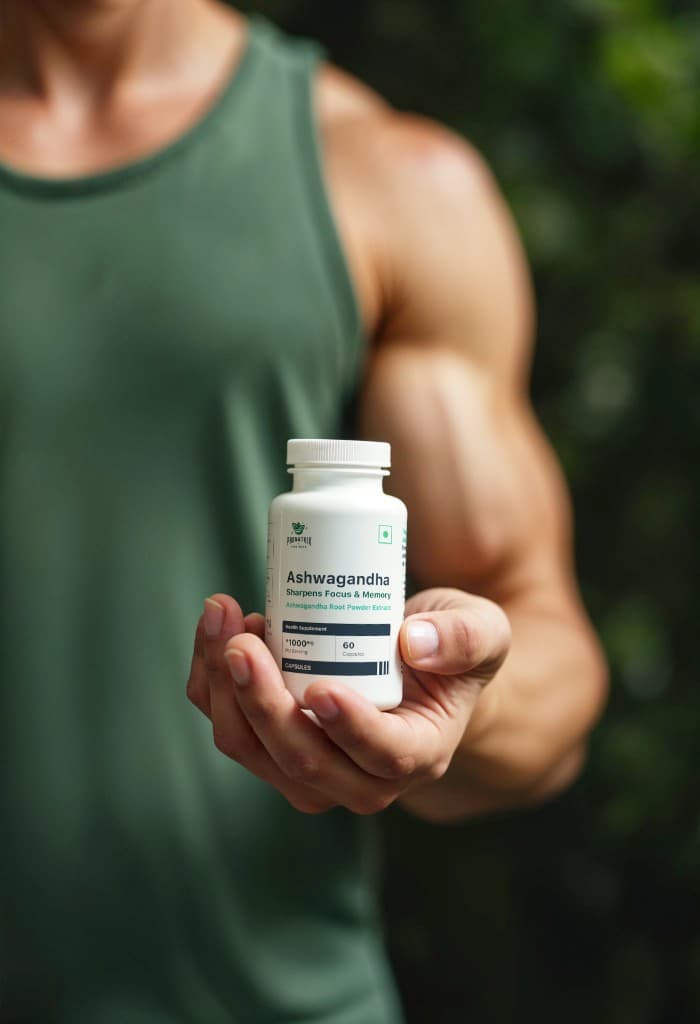
If you're already taking Ashwagandha for stress or sleep, you're likely getting recovery benefits as well. The 1000mg per serving from a 10:1 extract offers robust support across all these areas.

Ashwagandha Muscle Recovery vs. Other Adaptogens for Fitness

Ashwagandha isn't the only adaptogen used in fitness, but it's one of the most studied for strength training and recovery contexts. Here's how it compares:

Ashwagandha:

  • Strong evidence for cortisol management and inflammation reduction
  • May directly support muscle strength and size gains
  • Dual benefit for both physical recovery and sleep quality

Rhodiola:

  • Better studied for endurance and fatigue resistance
  • Less research on muscle recovery specifically
  • More stimulating, less calming

Cordyceps:

  • Primarily researched for aerobic performance and oxygen utilization
  • Limited data on inflammation or cortisol

Holy Basil (Tulsi):

  • Good for metabolic stress, less data on exercise recovery
  • More commonly used for blood sugar and immune support

For dedicated strength training and recovery, ashwagandha currently has the strongest research backing. It addresses both the hormonal and inflammatory sides of exercise stress.

Recent supplement science research continues to explore how adaptogens interact with training adaptations (PubMed reference), but ashwagandha remains a top choice for those focused on consistent, sustainable progress.

Key Takeaways

  • Ashwagandha reduces cortisol and inflammation after exercise, supporting faster recovery between sessions
  • It works as an adaptogen—regulating stress responses rather than blocking them entirely
  • Effective dosing is 300–600mg of concentrated extract daily, taken consistently rather than timed around workouts
  • Benefits build over 2–4 weeks and support both physical recovery and sleep quality
  • Among adaptogens, ashwagandha has the strongest research base for strength training and muscle recovery
  • Pair with good sleep, adequate protein, and structured training for best results

Real Recovery Needs More Than One Supplement

Ashwagandha is a valuable piece of the recovery puzzle, but it doesn't replace fundamentals. You still need:

  • 7–9 hours of quality sleep per night
  • Adequate protein intake (1.6–2.2g per kg bodyweight if training hard)
  • Proper hydration and electrolyte balance
  • Structured training with built-in rest days

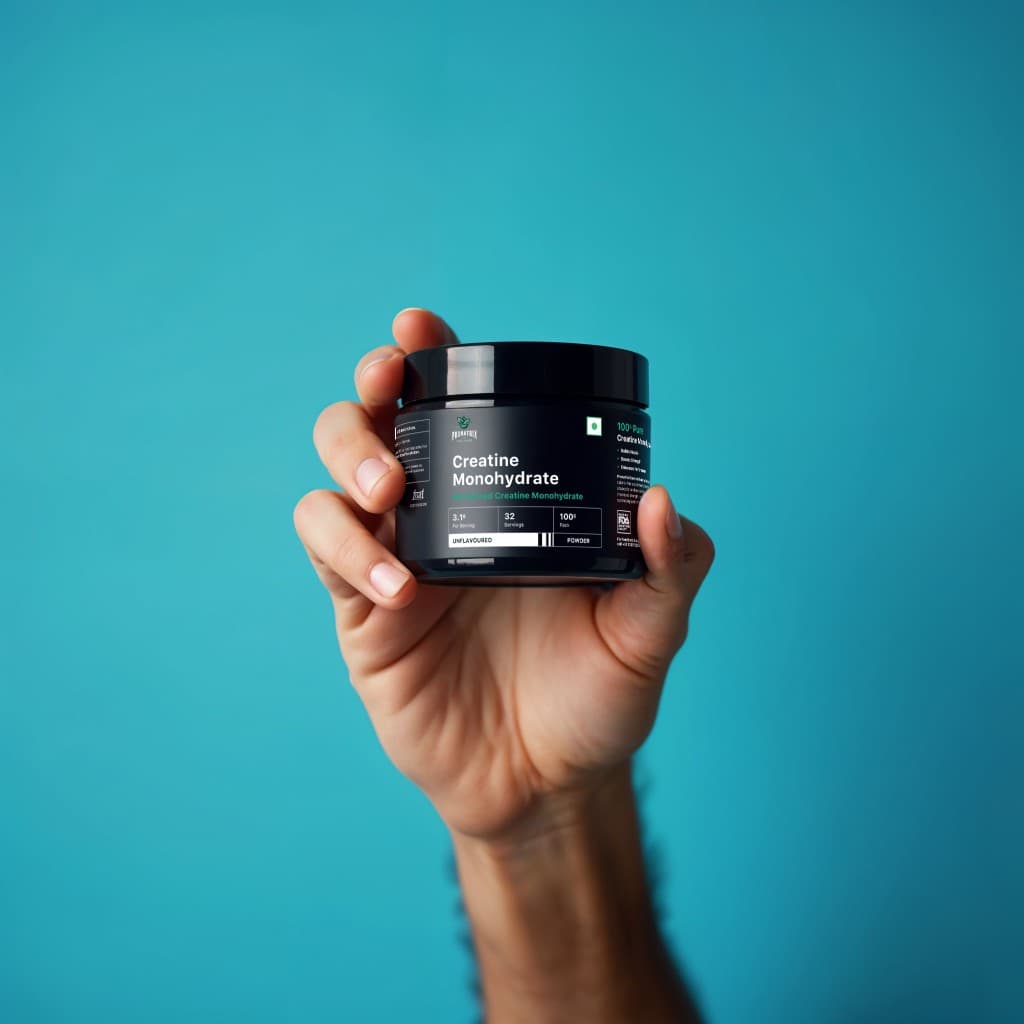
If you're already nailing those basics and want to further support your body's stress response, ashwagandha makes sense. If you're also interested in direct performance and recovery support, Creatine Monohydrate is one of the most well-researched supplements for strength and muscle repair—and the two can be taken together without issue.

Frequently Asked Questions

Q: Can I take ashwagandha post workout instead of before?

A: Yes, but timing matters less than consistency. Ashwagandha's recovery benefits come from daily use over weeks, not acute dosing around training. Take it at the same time each day—many prefer splitting doses between morning and evening.

Q: Does ashwagandha help with muscle soreness?

A: It may reduce inflammation that contributes to soreness, but it won't eliminate delayed onset muscle soreness (DOMS) entirely. The benefit is more about speeding overall recovery and reducing systemic stress markers than dulling soreness immediately.

Q: Is ashwagandha better than creatine for recovery?

A: They work differently. Creatine directly supports muscle energy and cell volumization. Ashwagandha addresses cortisol and inflammation. Both support recovery through different mechanisms, and they can be used together.

Q: How long does ashwagandha take to improve workout recovery?

A: Most people notice subtly improved resilience and recovery quality within 2–4 weeks of daily use. It's not dramatic, but you may find you're less wiped out between sessions and handle training volume better over time.

Q: Can women take ashwagandha for exercise recovery?

A: Absolutely. Ashwagandha's cortisol-regulating and anti-inflammatory effects benefit anyone training consistently, regardless of gender. Women may also appreciate its support for hormonal balance and sleep quality.

Q: Should I cycle ashwagandha or take it continuously?

A: Most research uses continuous daily supplementation without cycling. If you're using it for training support, consistent daily use makes the most sense. Some prefer taking occasional breaks after several months, but there's no strong evidence requiring this.

This article is for educational purposes only and is not medical advice.

Sources

Written by

Editorial Team

Explore the Pronatrix range

If you are building a wellness routine, browse the full Pronatrix range and find what fits your day best.